The Ultimate Online Course for Building Unbreakable Mental Fortitude
Build unshakable confidence without spending years in therapy
Master the Science-Backed Techniques That Forge Resilience, Confidence, and a Winning Mindset
CLICK BELOW TO WATCH FIRST!

4.9/5 star reviews
Thousands of happy customers worldwide
AS SEEN ON
Discover Why Strengthening Your Mindset Is the Key to Thriving in Every Area of Life
Does this sound like you?
Overwhelmed by stress and constant pressure
Persistent negative self-talk and doubt
Lack of clear goals or direction
Difficulty bouncing back after setbacks
Feeling stuck in a comfort zone you’ve outgrown
Respond to stress with calm confidence
Replace negative thoughts with empowering ones
Craft and execute inspiring, achievable goals
Turn obstacles into opportunities for growth
Design daily habits that keep you motivated
What’s Inside This Program

Mindset Rewiring
Uncover and rewrite limiting beliefs that keep you stuck.

Resilience Routines
Install daily habits and rituals that strengthen mental muscles.

Stress & Anxiety Mastery
Practical stress-management tools you can use anytime, anywhere.
Emotional Agility
Develop emotional intelligence to respond—not react—to life.
Vision & Goal Blueprint
Use visualization and intentional goal-setting to create your desired future.
Growth Mindset in Action
Turn setbacks into comebacks with our Growth Mindset framework.
TESTIMONIALS
What our students are saying...

" Six weeks after starting this course I negotiated a promotion I never thought I deserved. My confidence is at an all-time high! "
- Marcus Lee

" As a busy mom and nurse, stress used to own me. Now I have tools to stay calm even on the craziest shifts. "
- John Doe

" This course helped me silence the inner critic that held back my art career for years. I’m finally exhibiting my work! "
- Roberta Johnson

MODULES
FOLLOW MY STEP BY STEP VIDEO TRAINING
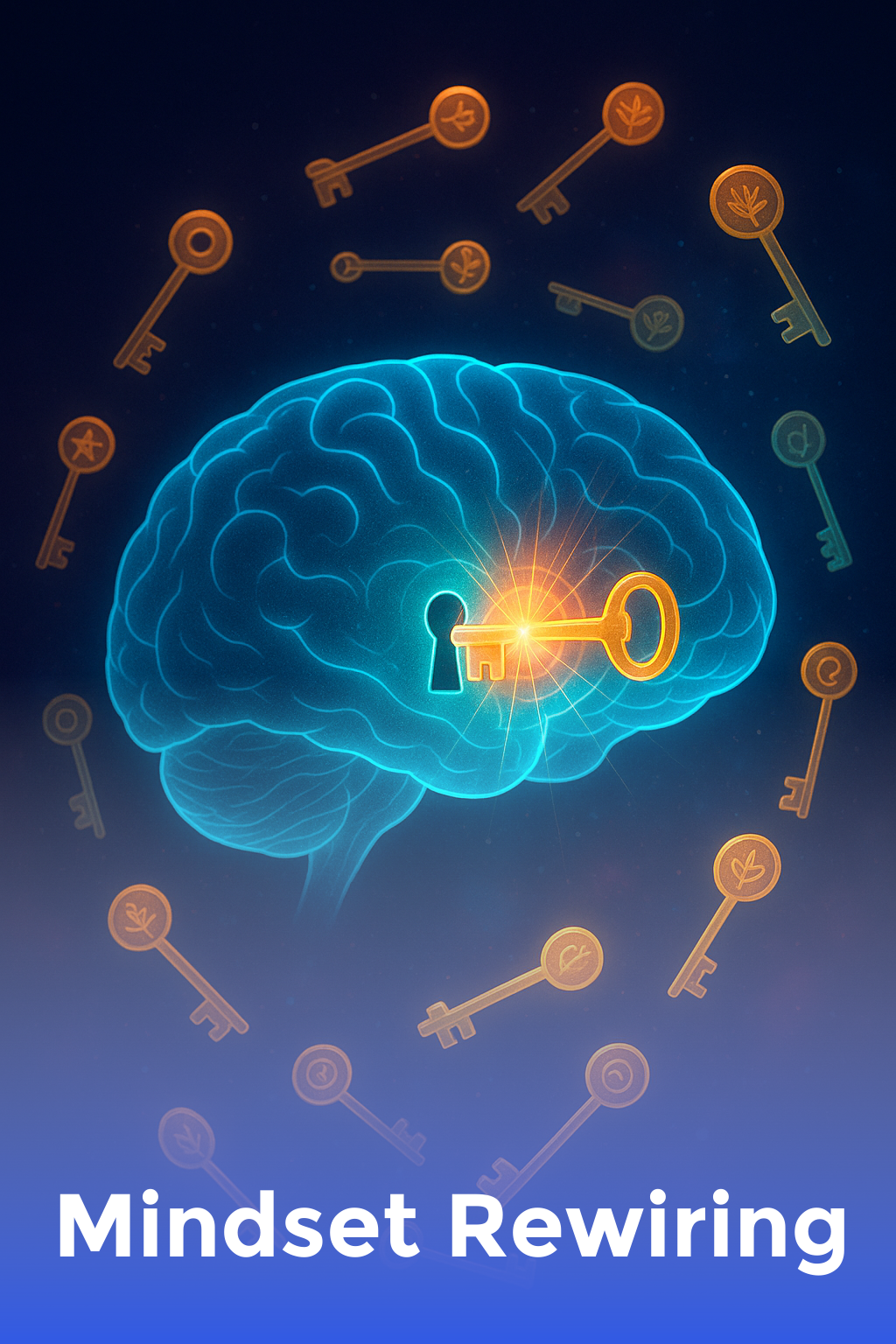
Mindset Rewiring
Uncover and rewrite limiting beliefs that keep you stuck.
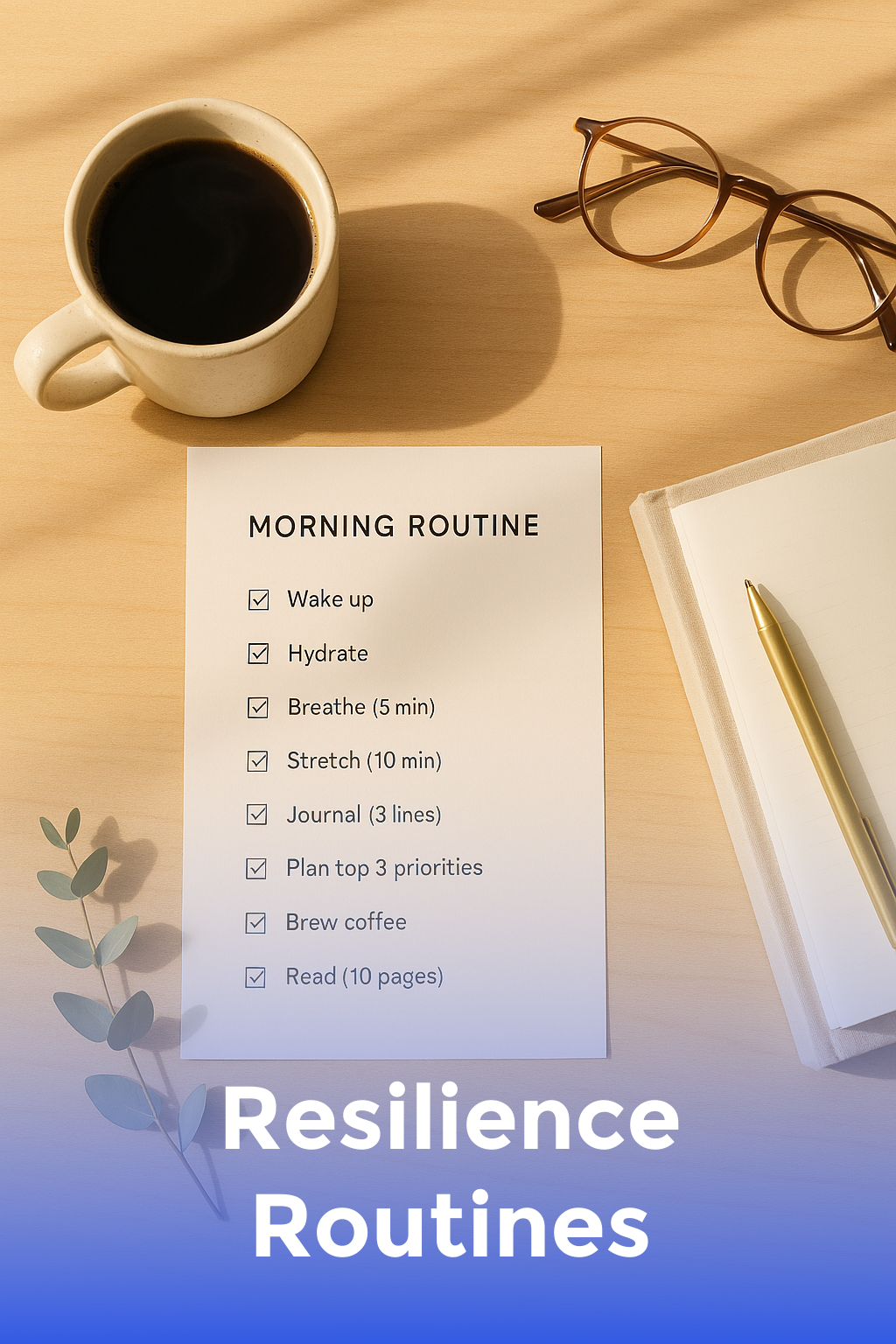
Resilience Routines
Install daily habits and rituals that strengthen mental muscles.
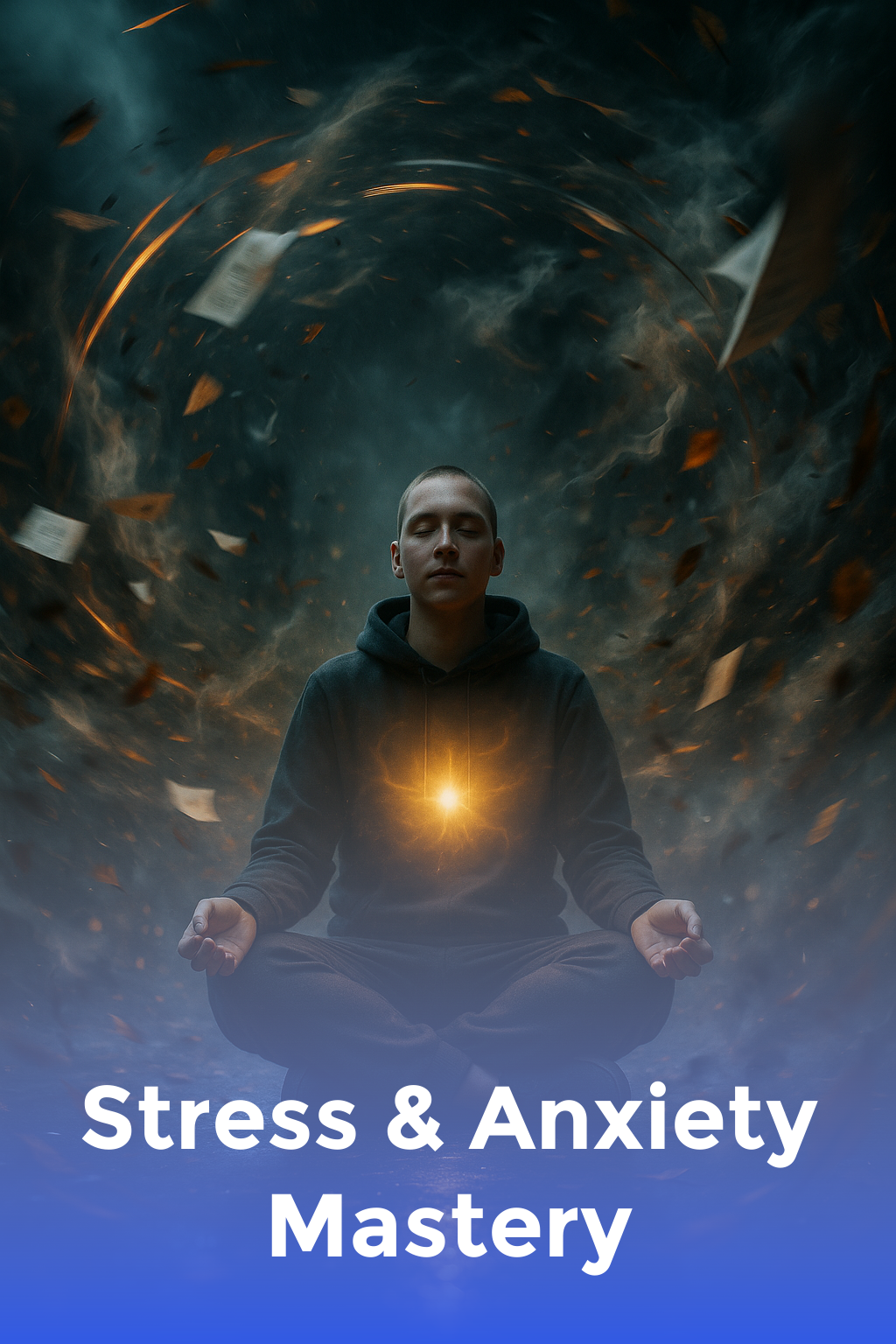
Stress & Anxiety Mastery
Practical stress-management tools you can use anytime, anywhere.

Emotional Agility
Develop emotional intelligence to respond—not react—to life.
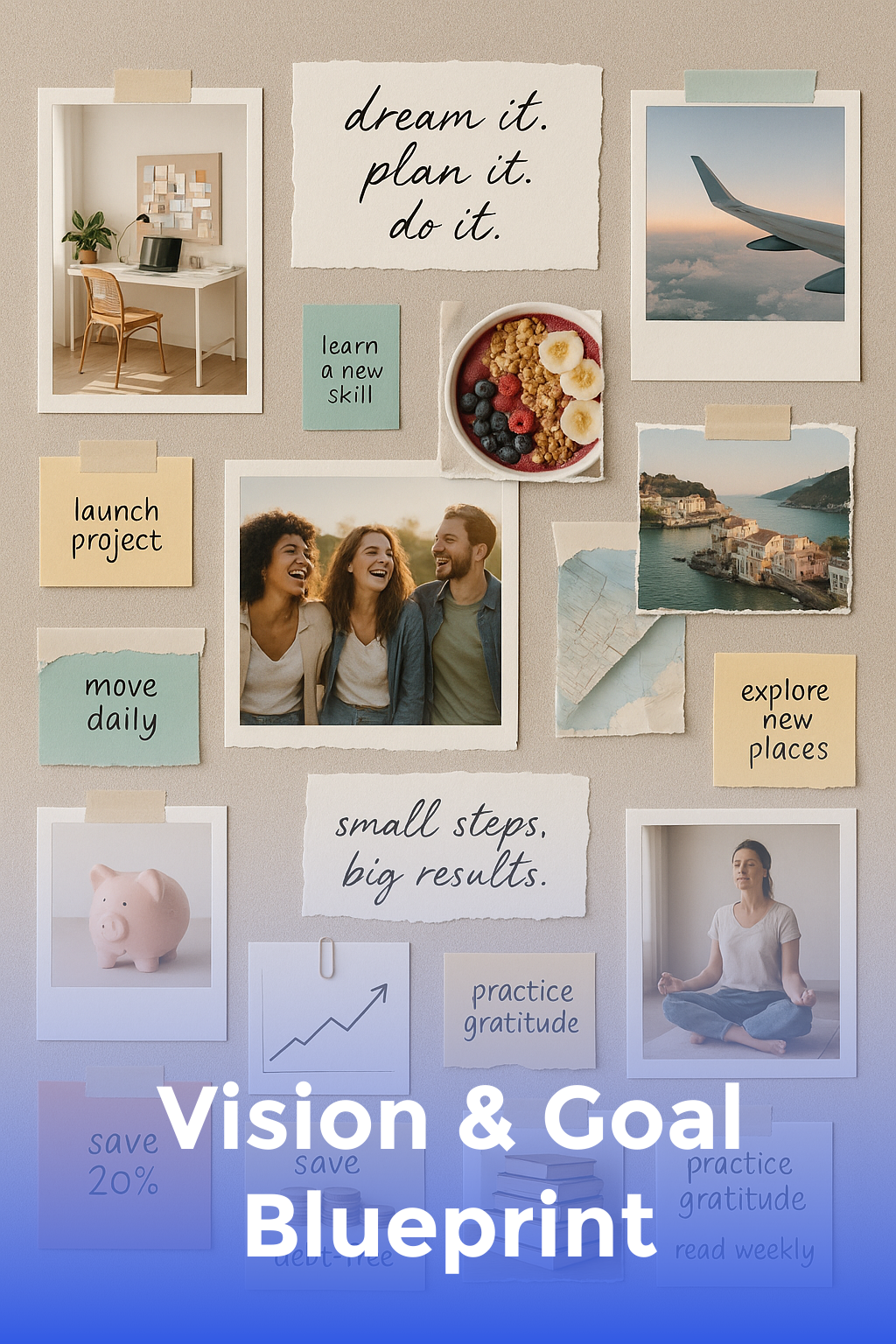
Vision & Goal Blueprint
Use visualization and intentional goal-setting to create your desired future.

Growth Mindset in Action
Turn setbacks into comebacks with our Growth Mindset framework.
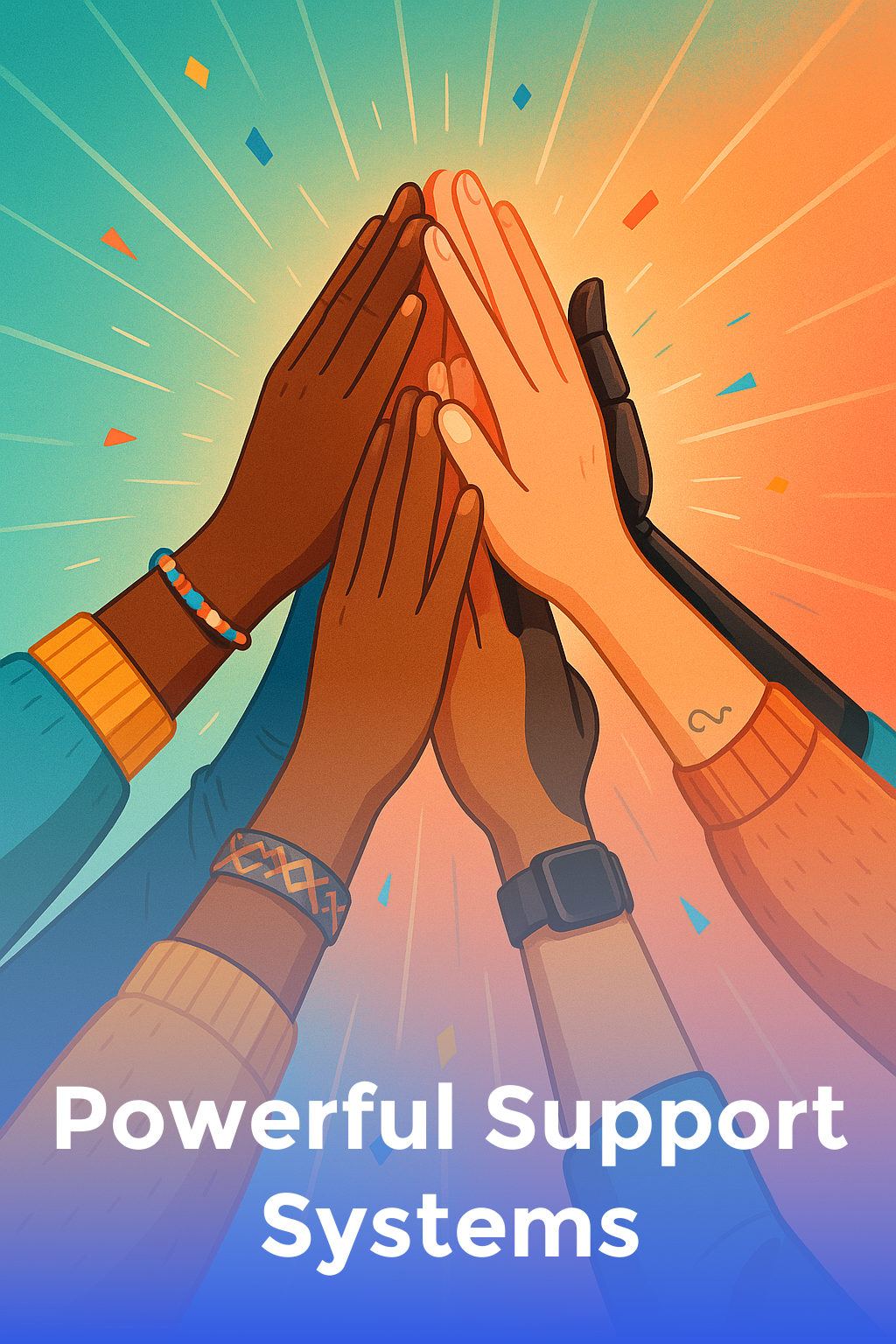
Powerful Support Systems
Build a network of support and accountability to multiply progress.
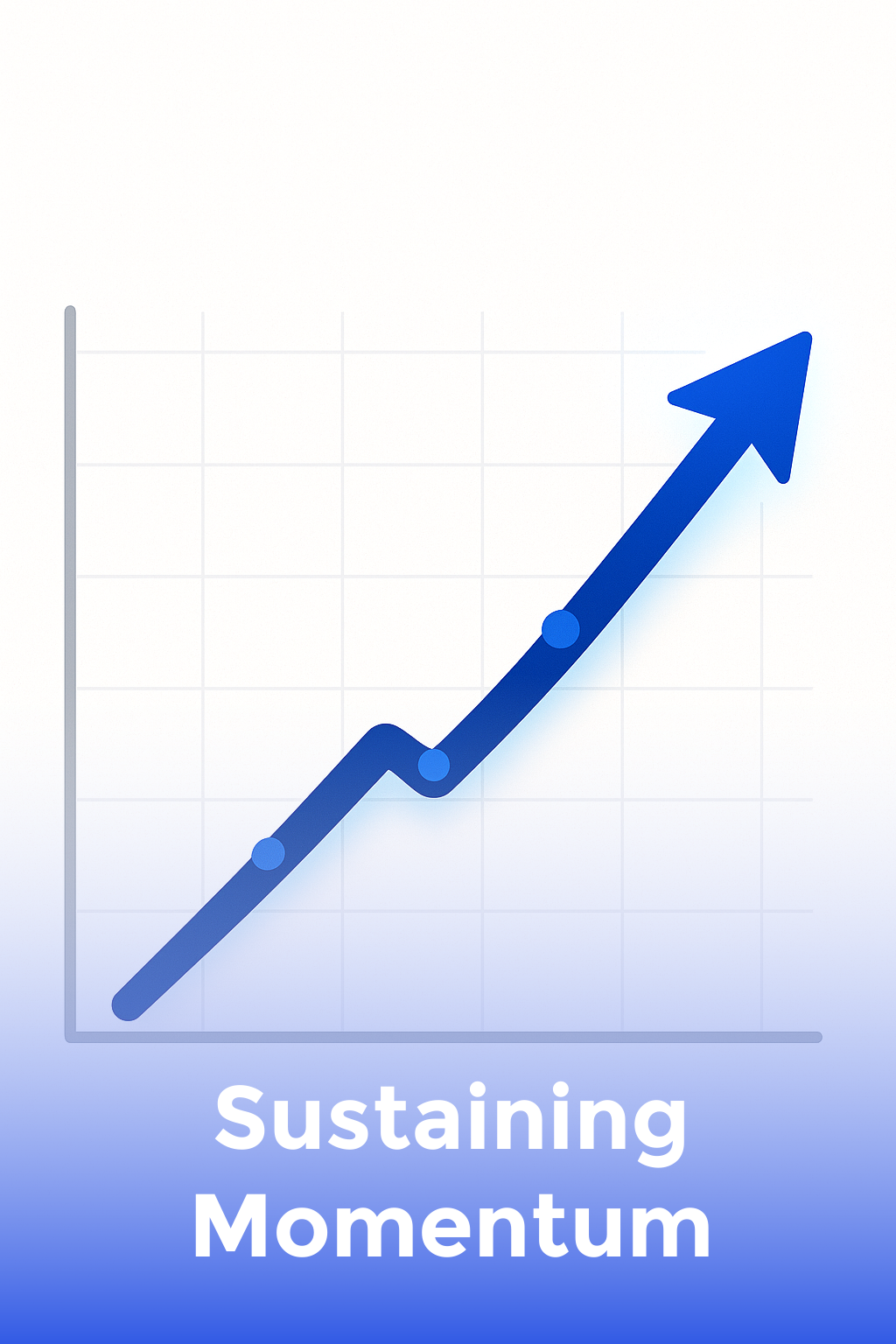
Sustaining Momentum
Maintain momentum and keep evolving long after the course ends.

4.9/5 star reviews
Transform Your Mind, Transform Your Life
A comprehensive, step-by-step video program that equips you with proven tools to cultivate resilience, optimism, and unwavering confidence.
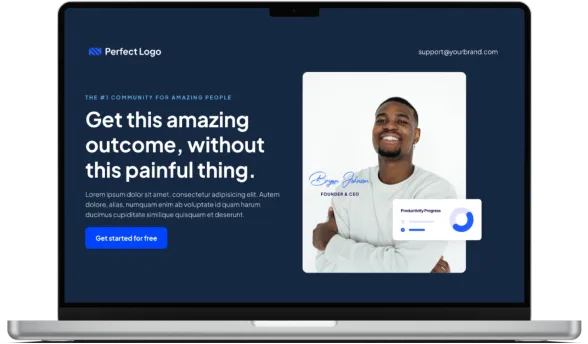
Here's what you get:
Instant streaming access to 8 transformative modules and 35+ HD lessons
Downloadable workbooks, habit trackers, and reflection journals
Lifetime entry to our private Resilient Mind community
Free future updates, live Q&A calls, and bonus masterclasses
Today Just
$997 one time
"Best purchase ever!"
" As a busy mom and nurse, stress used to own me. Now I have tools to stay calm even on the craziest shifts. "
ABOUT YOUR INSTRUCTOR
Meet Jarom
Led by a certified resilience coach and former elite athlete who overcame anxiety and burnout to coach thousands on mastering mental toughness.
After realizing that most people are taught what to think, not how to think, she created a practical system that rewires thought patterns and builds true inner strength.
Graduates report reduced anxiety, sharper focus, improved relationships, and the courage to pursue goals they once thought impossible.
Certified Mental Performance & Resilience Coach
Keynote speaker at TEDx on the Science of Mental Toughness
Author of an Amazon #1 bestseller on mindset
Featured on CNN, Forbes, and Psychology Today
Helped over 5,000 students achieve measurable mindset breakthroughs
Founder of a global online community dedicated to mental resilience

WHO IS THIS FOR...
Perfect for anyone who wants to conquer stress, beat self-doubt, and approach life’s challenges with unshakable confidence.
Entrepreneurs
Students & Graduates
Athletes & Performers
Parents & Caregivers
Corporate Professionals
Artists & Creatives
Healthcare & Frontline Workers
Anyone Committed to Personal Growth
STILL NOT SURE?
Satisfaction guaranteed
We want you to find value in our trainings! We offer full refunds within 30 days. With all of our valuable video training, we are confident you WILL love it!

STILL GOT QUESTIONS?
Frequently Asked Questions
Do I need any prior personal-development experience?
No. The course starts with foundational mindset principles and progressively builds, so beginners and seasoned learners both benefit.
How much time will I need to commit each week?
Most students spend about 30–45 minutes a day watching lessons and completing exercises, but you can work entirely at your own pace.
What makes this program different from motivational talks or books?
You get a proven, science-backed system, interactive exercises, community support, and ongoing coaching—turning inspiration into lasting transformation.
Enroll in the course now!
Copyrights 2024 | Resilient Mind Academy™ | Terms & Conditions